
Call: 08045801654
 Send Inquiry
 Send Inquiry
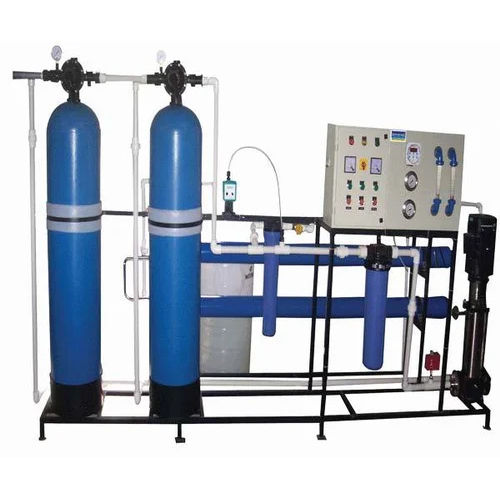
1000 Lph FRP RO Plant
Price 105000 INR/ Unit
MOQ : 1 Unit
1000 Lph FRP RO Plant Specification
- Noise Level
- Low Noise Operation
- Water Out Conductivity
- <10 µS/cm
- Ph Level
- 6.5 - 8.5
- Feature
- Corrosion Resistant, High Efficiency, Easy Operation, Durable
- Efficiency (%)
- Up to 98%
- Recycle Rate
- 70-80%
- Flow Rate
- 1000 LPH
- Pump Type
- High Pressure RO Pump
- Technology
- Reverse Osmosis (RO)
- Usage & Applications
- Drinking Water, Industrial, Commercial Water Purification
- Power Consumption
- 2-3 kW
- Frequency
- 50 Hz
- Product Type
- FRP RO Plant
- Automatic Grade
- Automatic
- Purity Level
- High
- Water Source
- Borewell/Well water, Tap Water
- Voltage
- 220 V AC / 50 Hz
- Volume
- 1000 L
- Material
- Metal
- Drive Type
- Electric
- Power Source
- Electric
- Filter Type
- Multigrade, Activated Carbon, Micron Filter
- Capacity
- 1000 LPH (Liters per hour)
- Installation Type
- Skid Mounted
- Skid Material
- Mild Steel Powder Coated
- Operating Temperature
- 5-45°C
- Outlet Pressure
- 10-15 kg/cm²
- Safety Features
- Dry Run Protection, Overload Protection
- Pre Filtration
- Sand & Carbon Filter included
- Compatible with
- Online/Offline UV, UF, Softener systems
- Water in conductivity
- 500-2000 µS/cm
- Control System
- Auto/Manual
- Inlet Pressure
- 2-3 kg/cm²
- Fittings & Joints
- SS / Brass / UPVC
- Raw Water Pump
- 1 HP
- Output TDS
- Below 50 ppm
- Weight
- 120-160 kg (approx.)
- Reject Water Output
- 250-300 LPH (approx.)
- Product Dimension (LxWxH)
- 1350 mm x 650 mm x 1400 mm
- Number of Membranes
- 4 (4040) Membranes
- Feed Water Temperature
- 5-45°C
- Membrane Type
- Thin Film Composite (TFC)
1000 Lph FRP RO Plant Trade Information
- Minimum Order Quantity
- 1 Unit
- Payment Terms
- Cash Advance (CA)
- Supply Ability
- 10 Units Per Month
- Delivery Time
- 20 Days
- Main Domestic Market
- All India
About 1000 Lph FRP RO Plant
Our company has ranked among trustworthy names in the respective field, successfully engrossed in presenting the world's best 1000 Lph FRP RO Plant to the patrons. The RO plant is perfectly engineered for removing various impurities like dust, odor, bacteria, germs and other microorganisms from tap/ground water and making it drinkable and usable. Suitable for hospitals, hotels, universities, restaurants, offices, etc., it is made of stainless structure, supply pipes, RO membranes, UV filters, cartridges, digital control, electric pump, panel and other components guaranteeing its continuous functionality, high efficiency, durability and long life. Further, 1000 Lph FRP RO Plant features 3-phase, 220-240V, and 50-60Hz.
Efficient High-Volume Water Purification
Designed with four advanced Thin Film Composite membranes and high-efficiency filters, this FRP RO plant delivers consistent 1000 LPH output. It effectively treats water from borewells, wells, or tap sources, reducing TDS below 50 ppm for high purity water suited for industrial, commercial, or drinking use. The optimized filtration and RO process ensure longevity and low operational noise.
Robust Design and User-Friendly Operation
Built on a corrosion-resistant, powder-coated mild steel skid, the plant is durable and suitable for demanding environments. Stainless steel, brass, and UPVC fittings guarantee leak-resistant joints. Featuring both automatic and manual control modes, dry run and overload protections, and easy-access design, it offers peace of mind and straightforward maintenance.
Versatile Integration and Energy Efficiency
This RO system integrates seamlessly with auxiliary purification units like UV, UF, or water softeners, broadening its application scope. With a powerful 1 HP high-pressure pump, 70-80% recycle rate, and energy-efficient components operating on 220V AC, it combines performance with cost-effective operation while maintaining low noise levels.
FAQ's of 1000 Lph FRP RO Plant:
Q: How does the 1000 LPH FRP RO Plant purify water?
A: The plant employs a multi-stage process starting with multigrade sand and activated carbon pre-filtration to remove sediments and organic impurities. Water is then forced through four 4040 Thin Film Composite (TFC) membranes where dissolved solids, salts, and contaminants are rejected. The result is high-purity water with output TDS below 50 ppm.Q: What is the recommended installation location for this RO plant?
A: This skid-mounted RO system is suitable for both indoor and protected outdoor environments, such as industrial facilities, commercial spaces, or water purification plants. Ensure installation on a stable, level surface with adequate space (1350 mm x 650 mm x 1400 mm) for access and maintenance.Q: When should I perform maintenance on the plant?
A: Routine maintenance, such as checking filters, cleaning membranes, and inspecting fittings, should be conducted according to the manufacturer's guidelines-typically every 3-6 months. Conduct earlier maintenance if a drop in flow rate, increased TDS, or alarm notifications are observed.Q: What safety features are integrated into this RO system?
A: The RO plant is equipped with dry run and overload protections to safeguard the pump and electrical components. This prevents equipment damage due to lack of water supply or excessive load, ensuring safe, reliable operation.Q: How is the system operated and controlled?
A: The plant features a versatile control system offering both automatic and manual operation modes. This flexibility allows users to choose hands-free water purification or take manual control for specific settings as needed.Q: Where can this RO plant be used?
A: Suited for a variety of applications, the unit can be used for drinking water provision, commercial bottling, industrial process water, and more. It is compatible with additional filtration modules such as UV, UF, or water softeners, enhancing its versatility.Q: What are the main benefits of installing this 1000 LPH FRP RO Plant?
A: Key benefits include high purification efficiency (up to 98%), robust construction, easy operation, low noise, and integration capability with other purification technologies. It delivers reliable, high-quality water suitable for a wide range of uses with reduced maintenance and energy costs.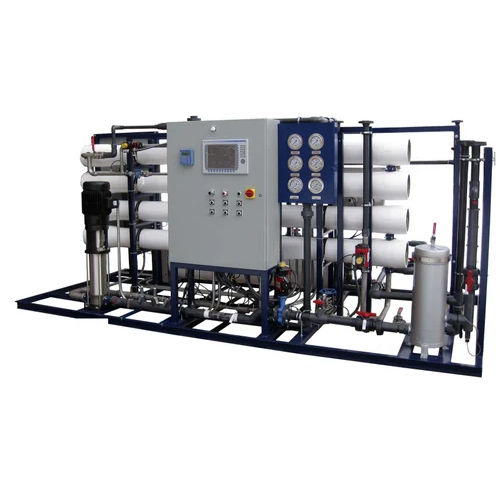
Tell us about your requirement

Price:
Quantity
Select Unit
- 50
- 100
- 200
- 250
- 500
- 1000+
Additional detail
Mobile number
Email

More Products in RO Plant Category
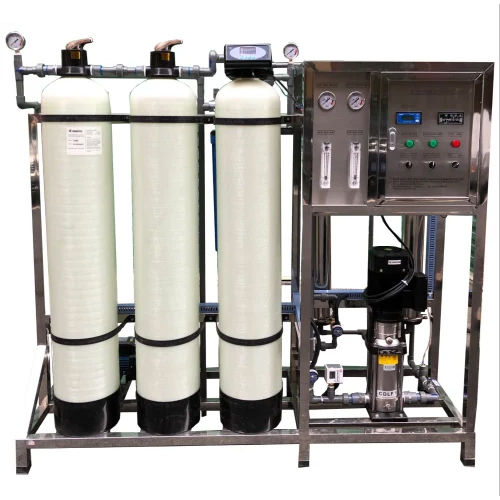
Industrial RO Plant
Price 100000 INR / Strand
Minimum Order Quantity : 1 Unit
Feature : Low maintenance, Energy efficient, Corrosion resistant
Purity Level : High
Material : Stainless Steel (SS 304/316)
Power Source : Electric
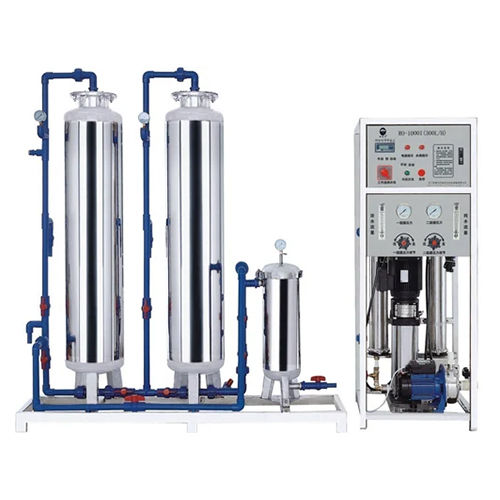
Water Purification RO Plant
Price 80000 INR / Unit
Minimum Order Quantity : 1 Unit
Feature : Low maintenance, high reliability, corrosion resistant
Purity Level : High
Material : Metal
Power Source : Electric
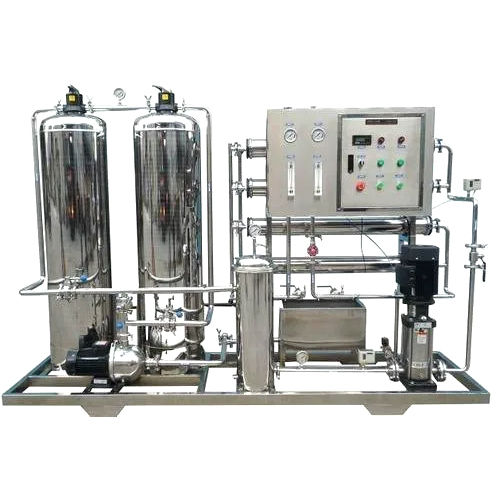
Steel RO Water Plant
Price 80000 INR / Unit
Minimum Order Quantity : 1 Unit
Feature : High Quality
Purity Level : High
Material : Metal
Power Source : Electric
Industrial FRP RO Plant
Price 100000 INR / Unit
Minimum Order Quantity : 1 Unit
Feature : High Quality
Purity Level : High
Material : Metal
Power Source : Electric

Contact Details
PANDA MACHINES PRIVATE LIMITED (OPC)
GST : 21AAICP1702H1ZY
- Plot - 784/2647, 3rd Floor, Jagamara, Behind HDFC Bank,Bhubaneswar - 751030, Odisha, India
- Phone :08045801654
 Send Inquiry
- 09090979740


Developed and Managed by Infocom Network Private Limited.
